You're building a new home or putting on a big addition here in Hoover, and one of the first big decisions you'll face is about the foundation. It's literally what everything else sits on, so you want to get it right. Usually, it comes down to two main types: a concrete slab-on-grade or a concrete crawl space foundation. Let's talk through what I've seen over the years and help you figure out which one makes the most sense for your place.
Slab-on-Grade Foundations: The Basics
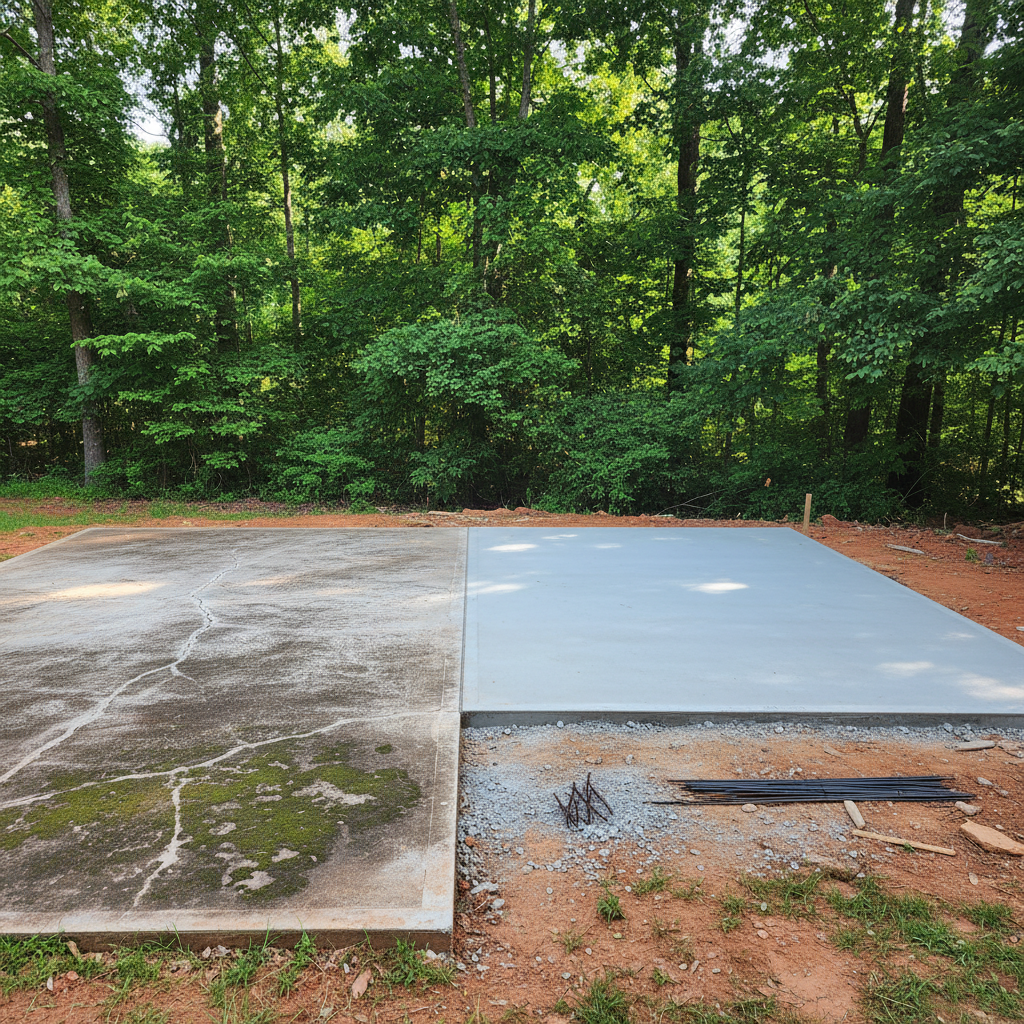
A slab-on-grade foundation is pretty straightforward. We pour a single, thick layer of concrete directly on the ground, often with thickened edges or footings that go a little deeper around the perimeter. It's reinforced with rebar or mesh, and all your plumbing and electrical lines get run through it before we pour. Once it's cured, that's your floor and your foundation all in one go.
The Good Stuff About Slabs:
- Cost: Generally, slabs are the cheapest option upfront. There's less excavation, less material (compared to walls and a separate floor system), and it's quicker to pour. That means less labor too. For folks watching their budget, this is often a big plus.
- Speed: We can get a slab poured and ready for framing pretty fast. You're not waiting on block layers or multiple concrete pours.
- Durability: A well-poured slab is incredibly strong and stable. It's less susceptible to pest infestations like termites since there's no dark, damp crawl space for them to hide in. You also don't have to worry about wood rot under your house.
- Energy Efficiency: When properly insulated, a slab can be very energy efficient. It acts as a thermal mass, helping to regulate indoor temperatures.
Where Slabs Can Be Tricky:
- Repairs: This is the big one. If you have a plumbing leak under the slab, it's a major headache. We're talking about jackhammering through your floor to get to the pipes. It's disruptive and expensive.
- Moisture: While great for pests, slabs can sometimes have moisture issues if not properly prepared with a vapor barrier. You can get moisture wicking up through the concrete, which leads to humidity problems inside.
- Lack of Access: No crawl space means no easy access to plumbing, electrical, or HVAC ductwork once the house is built. Everything is either in the walls or under the slab.
- Terrain: Slabs work best on relatively flat lots. If your property has a significant slope, you'll need a lot of grading or retaining walls, which can eat into those cost savings.
Crawl Space Foundations: What You Need to Know
With a crawl space, we're talking about a foundation that lifts your house off the ground. We'll dig footings, pour those, and then build concrete block or poured concrete walls up to a certain height. Then, a wooden floor system (joists, subfloor) gets built on top of those walls. This creates an open space — the crawl space — between the ground and the bottom of your house's floor.
The Benefits of a Crawl Space:
- Accessibility: This is the main reason many people choose a crawl space. Plumbing, electrical, and HVAC lines are all easily accessible for maintenance or repairs. If a pipe bursts, it's a lot easier to fix than breaking up a slab.
- Flexibility: Crawl spaces can adapt better to slightly sloped lots without massive grading.
- Comfort: Some folks find homes with crawl spaces feel a bit warmer underfoot, and they can offer a little more bounce than a rock-solid slab.
- Storage: While not ideal, a well-managed crawl space can offer a small amount of storage for things you don't need often.
The Downsides of a Crawl Space:
- Cost: Crawl spaces are almost always more expensive than slabs upfront. You're paying for more excavation, more concrete (for footings and walls), and then all the lumber for the floor system.
- Maintenance: This is a big one, especially in a humid place like Hoover. Crawl spaces need attention. They can be prone to moisture issues, leading to mold, mildew, and wood rot if not properly ventilated or, even better, encapsulated. We've seen plenty of homes in places like Bluff Park or Green Valley where neglected crawl spaces turn into a real problem.
- Pests: Termites, rodents, and other critters love a dark, damp crawl space. You'll need regular pest control to keep them out.
- Energy Efficiency: If not properly insulated and sealed, crawl spaces can be a major source of energy loss, making your heating and cooling bills higher.
So, Which One Should You Choose for Your Hoover Home?
Honestly, both are solid options when done right. But if I had to give a general recommendation for most homes here in Hoover, I'd lean towards a slab-on-grade foundation, but with a few critical caveats.
For new construction, the cost savings of a slab are significant, and its inherent durability against pests and rot is a huge advantage. You don't have the ongoing maintenance headaches that often come with a crawl space in our humid climate.
However, if you go with a slab, you absolutely, positively need to ensure a few things:
- Excellent Plumbing Layout: Work with your plumber to ensure all lines are well-planned and accessible from above where possible. Use high-quality materials.
- Top-Notch Vapor Barrier: A robust vapor barrier under the entire slab is non-negotiable to prevent moisture intrusion.
- Proper Grading: Make sure the ground around your foundation slopes away from the house to prevent water pooling.
If you're building on a very sloped lot, or if you just really value that easy access for future repairs and don't mind the extra upfront cost and ongoing maintenance, a properly built and preferably encapsulated crawl space is still a good choice. An encapsulated crawl space, where it's sealed off from the outside and conditioned, addresses many of the moisture and pest issues, but it adds to the cost.
Ultimately, it comes down to your budget, your priorities, and your willingness to maintain. For most folks building new, a well-executed slab foundation from a company like Magic City Concrete is going to give you a strong, stable, and relatively low-maintenance base for your home. Just make sure your builder knows what they're doing with the plumbing and vapor barrier. That's the key.