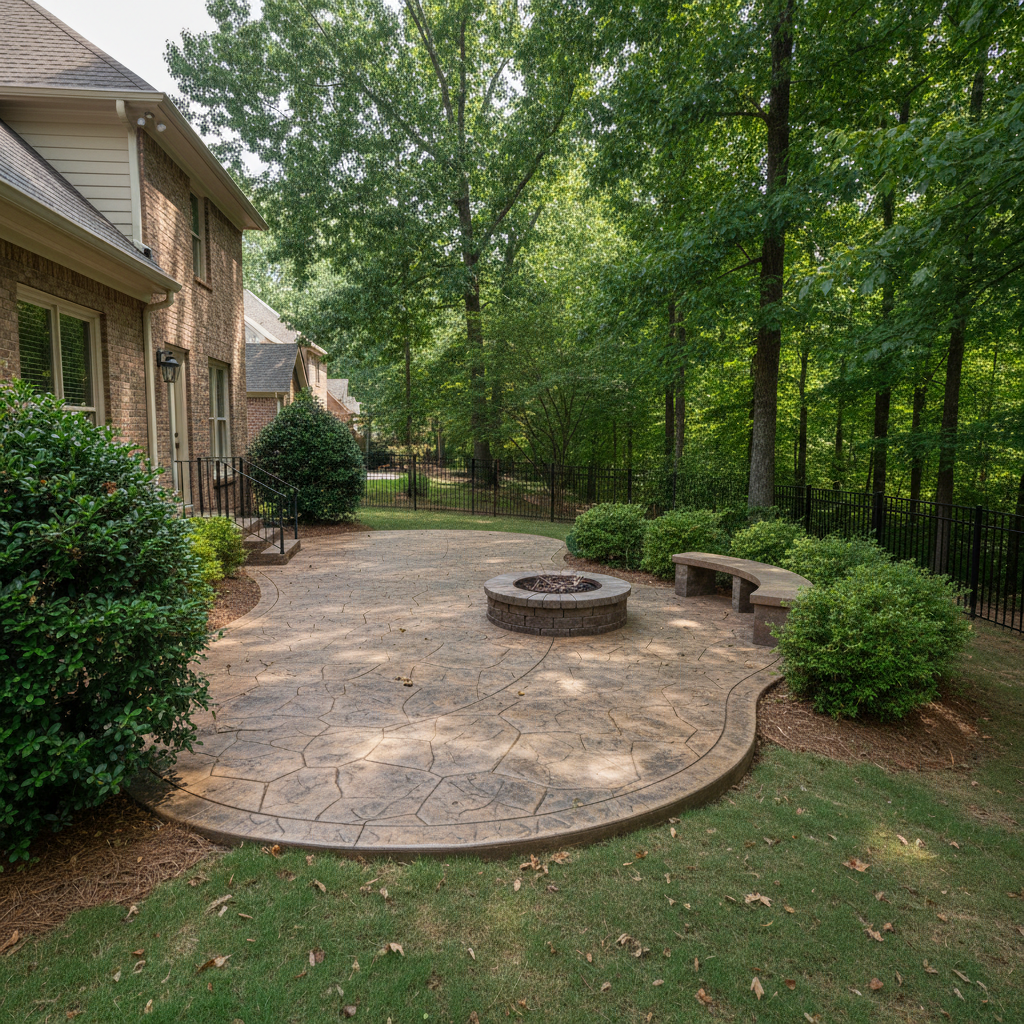
You've probably seen those gorgeous stamped patios, stained driveways, or polished floors and thought, 'Wow, that would really elevate my place.' Decorative concrete definitely boosts curb appeal and value, but people often wonder about the best time to get it done, or how to keep it looking sharp afterward. Here in Hoover, our weather plays a huge role, so let's dig into what you need to know.
When's the Best Time for Decorative Concrete?
Honestly, the 'best' time really depends on the specific project and what you're hoping to achieve. But generally, I tell folks to aim for spring or fall. Why?
Spring (March-May): This is prime time. The ground's thawed out, but it hasn't gotten scorching hot yet. You get consistent temperatures, usually in the 60s and 70s, which is perfect for concrete to cure correctly. It gives us a good window to pour, stamp, and apply sealers without rushing or worrying about sudden freezes. Plus, you'll have your new patio or driveway ready for summer entertaining.
Fall (September-November): Another excellent window. The summer humidity starts to drop, and temperatures cool down to that sweet spot again. Less chance of pop-up thunderstorms ruining a fresh pour, and the cooler nights help with a slow, strong cure. We just have to watch out for those early cold snaps that can sneak up on us in late November.
Summer (June-August) can be a bit tricky. It's hot, humid, and we get those afternoon downpours that can really mess with a job. Concrete dries too fast in extreme heat, which can lead to cracking or a weaker surface. Winter (December-February) is usually a no-go for exterior decorative work. Freezing temperatures and wet conditions are just asking for trouble with fresh concrete, wouldn't you agree? We can still do interior polished floors or overlays during winter since we're not battling the elements indoors.
Weather Conditions We Watch For
When we're planning a decorative concrete job, we don't just glance at the calendar; we're glued to the forecast. Here's what really matters:
Temperature: Ideally, we want temps between 50°F and 80°F during placement and for a few days after. Too hot, and it dries too fast. Too cold, and it won't cure properly, leading to a weak surface. Those chilly nights we get in neighborhoods like Ross Bridge can be a real concern for a late fall pour.
Humidity: High humidity, like our typical Alabama summer, slows down drying. Low humidity speeds it up. We adjust our mix and timing to match.
Rain: This is a big one. You simply can't pour concrete in the rain, especially if you're trying to do any kind of stamping or finishing. Even a light drizzle can ruin the surface. We need a clear window, both during the pour and for several hours afterward, for the initial set.
Wind: Believe it or not, wind can be a problem. It speeds up surface drying, which can cause plastic shrinkage cracking before the concrete has a chance to gain strength.
We're always monitoring these factors. Sometimes, that means we have to reschedule, and I know that can be frustrating, but it's always in your best interest to ensure a quality, long-lasting finish.
Protecting Your Decorative Concrete Year-Round
Once your beautiful new decorative concrete is in, you want it to stay that way, right? Here's how to protect your investment:
Seal It Regularly: This is probably the most important thing. Sealers protect against stains, UV damage (fading), and moisture getting in. For exterior decorative concrete, plan to reseal every 2-3 years, or more often if it gets heavy traffic or direct sunlight. Interior floors might go longer, but keep an eye on them.
Clean It: Don't let dirt, leaves, or grime sit on the surface for too long. A simple sweep and occasional rinse with a garden hose is usually enough. For tougher spots, a mild detergent and a soft brush will do the trick. Avoid harsh chemicals or pressure washers that are too powerful, as they can damage the sealer or even the concrete itself.
Watch for Stains: Oil, grease, rust, or even leaves sitting wet on the surface can leave marks. Clean spills immediately. If you've got a vehicle that leaks, put down a mat to catch drips.
De-Icing Caution: If you ever need to de-ice your decorative concrete (which isn't super common in Hoover, but it happens), use sand or a non-chloride de-icer. Rock salt (sodium chloride) and other harsh chemicals can really damage concrete and its sealer over time.
Avoid Heavy Impacts: Try not to drop heavy, sharp objects on your decorative concrete. While it's tough, it's not indestructible, and chips can happen.
Taking a little care goes a long way in preserving the beauty and integrity of your decorative concrete. We at Magic City Concrete always make sure you know exactly what kind of maintenance your specific finish will need. We want your concrete to look fantastic for years to come.