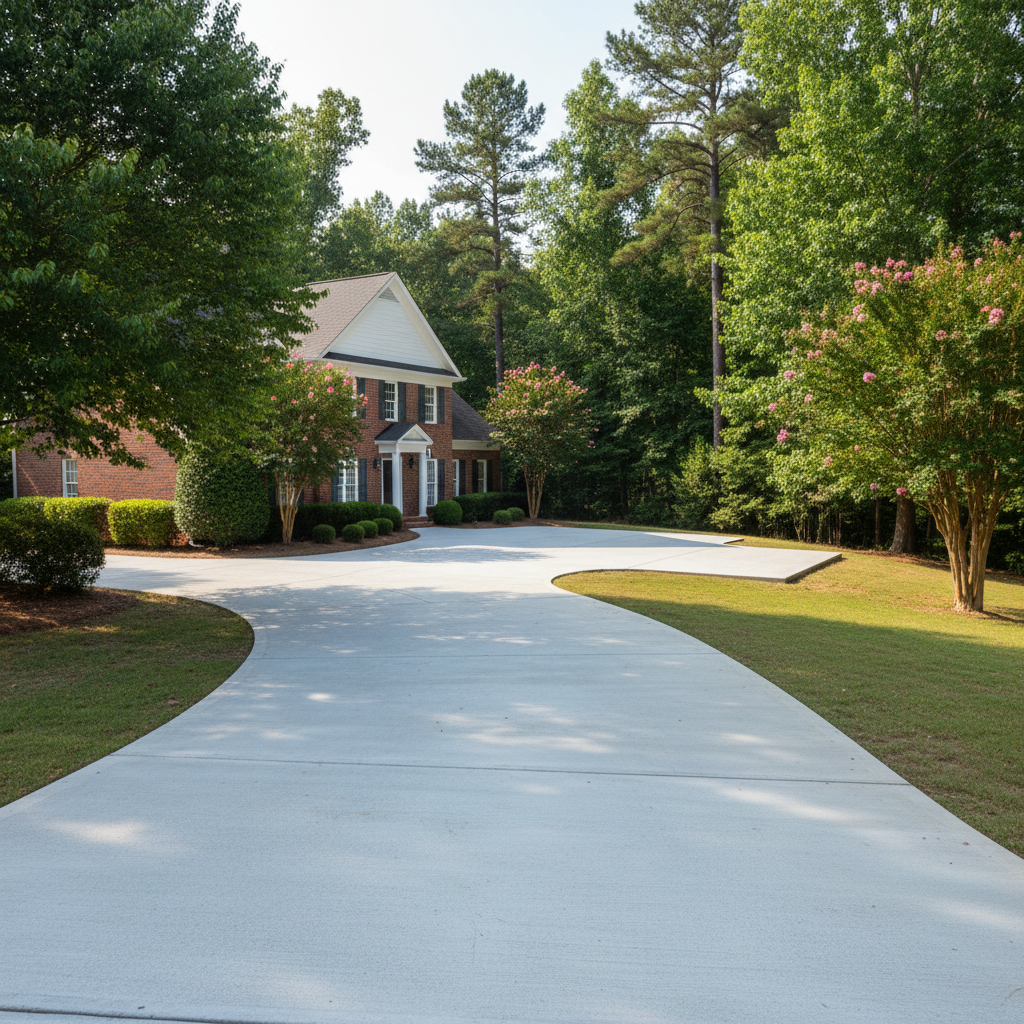
You're looking to get some concrete flatwork done, maybe a new patio, a wider driveway, or some sturdy walkways around your Hoover home. That's a great investment, but here's what you absolutely need to know: when you pour concrete in Alabama makes a huge difference.
We don't have those nice, long, predictable seasons like some other parts of the country. Our weather can be a real rollercoaster, and that plays a big role in how your concrete cures and lasts. You wouldn't want to put all that money into a project only for it to crack or spall prematurely, right? So, let's break down the best times and what to watch out for.
When's the Best Time to Pour Concrete in Hoover?
Honestly, spring and fall are your best bets around here. The temperatures are usually more moderate, which is ideal for concrete curing. Concrete doesn't like extremes – too hot or too cold can mess with its strength and durability.
- Spring (March - May): This is prime time. The ground isn't frozen, and you're generally past the worst of the winter freezes. You'll get plenty of days where the temperature is consistently above 40°F, but not scorching hot yet. You do have to watch out for those sudden spring thunderstorms, though. A heavy downpour on fresh concrete is a nightmare.
- Fall (September - November): Another excellent window. The summer heat has usually broken, and you're getting those crisp, cooler days. Again, consistent temperatures are key. You'll want to get projects done before the real cold snaps hit, especially if you're in an area like Bluff Park or Ross Bridge where those shaded spots can stay damp and chilly longer.
These seasons give the concrete a chance to cure slowly and evenly, which leads to a stronger, more resilient slab. That's what you want for something that's going to be walked and driven on for years.
What About Summer and Winter?
Can you pour concrete in summer or winter? Sure, we do it, but it comes with challenges and often requires extra precautions and costs.
- Summer (June - August): It gets brutally hot and humid here, doesn't it? High temperatures make concrete set much faster, which can lead to cracking if not managed perfectly. We're talking about needing to add retardants, working incredibly fast, and making sure the concrete stays hydrated. Plus, those pop-up afternoon thunderstorms are always a risk. It's doable, but it's not ideal for a standard pour.
- Winter (December - February): Freezing temperatures are the enemy of fresh concrete. If water in the concrete freezes before it's fully cured, it expands and causes damage. We'd have to use special additives, blankets, and sometimes even heaters to keep the slab warm enough to cure properly. It adds a lot of complexity and expense. Unless it's an emergency or a very specific project, we usually advise against major flatwork pours in the dead of winter.
Protecting Your Investment Year-Round
Once your concrete is in, you'll want to take care of it. It's not a set-it-and-forget-it kind of deal, especially with our climate.
Sealing: This is huge. I can't stress it enough. A good quality sealer applied correctly will protect your concrete from moisture penetration, stains, and even help prevent surface spalling from our freeze-thaw cycles. You'll want to reapply it every few years, depending on the type of sealer and how much traffic the concrete gets.
Cleaning: Keep it clean. Dirt, grime, and especially organic matter like leaves and pine needles can hold moisture against the concrete, promoting mildew and potential staining. A good pressure wash now and then, especially after pollen season, makes a big difference.
Drainage: Make sure water drains away from your concrete. If you have standing water on or next to your patio or driveway, it's going to cause problems over time. This is particularly important for homes built on our local red clay soil, which doesn't drain well and can cause hydrostatic pressure issues if not properly graded.
Look, concrete is tough, but it's not invincible. Knowing when to schedule your project and how to maintain it afterward will ensure you get the most out of your investment. If you're thinking about a project and want to talk through the best timing for your specific situation, give us a shout at Magic City Concrete. We're always happy to share our experience and help you make the right call.