Thinking About a Concrete Project?
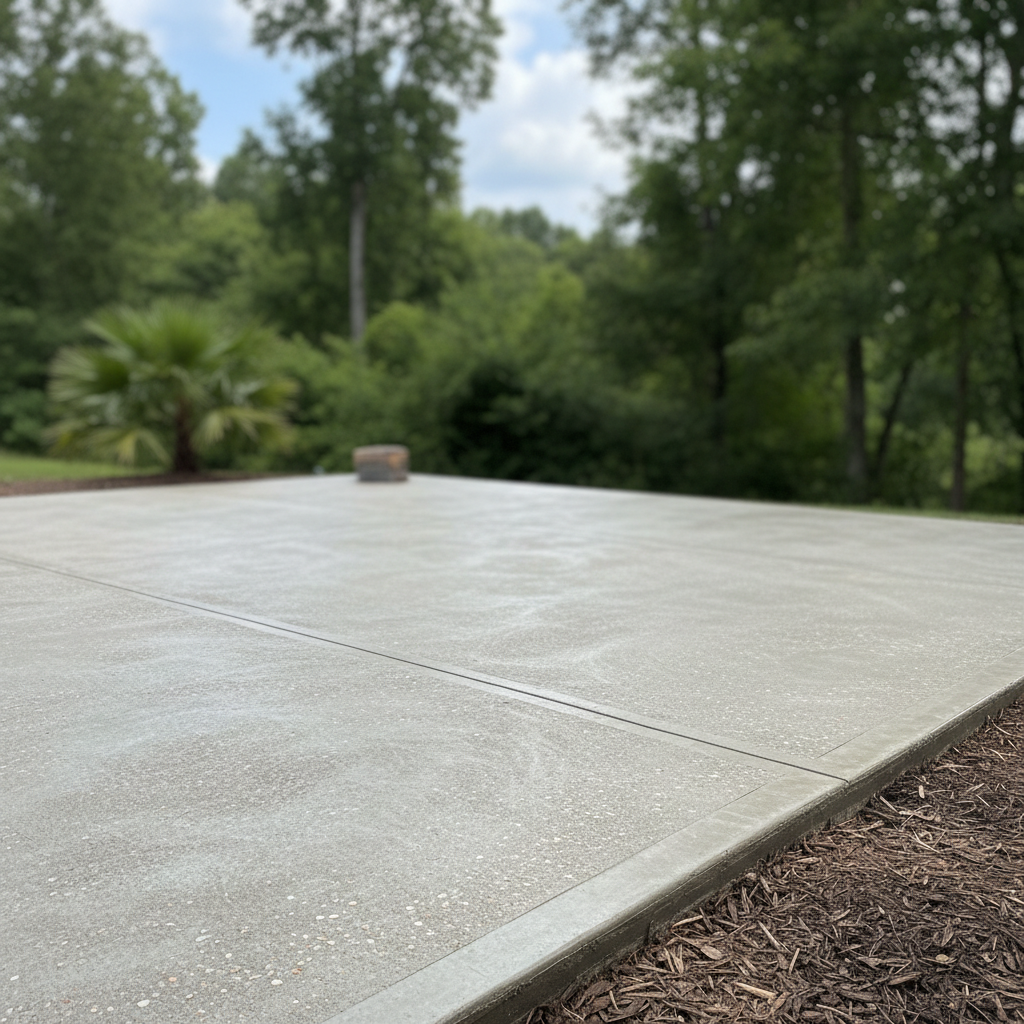
So, you're thinking about adding some new concrete around your Hoover home. Maybe it's a small patio for those summer barbecues, a new walkway to the garden, or just a repair to an old, cracked slab. That's a great idea! Concrete's tough, it looks good, and honestly, it adds real value to your property. But hold on a minute before you grab a shovel and a bag of Quikrete. Let's really talk about what you're getting into here. I've seen a ton of concrete jobs over the years – some fantastic, some… not so much – and I want to help you make the right call for your project.
Before You Even Start Digging
First things first, you've got to plan. What exactly do you want? How big will it be? What's its main purpose? A simple stepping stone path is a completely different animal than, say, a 20x20 foot patio. You also need to really think about drainage. We get some serious downpours here in Hoover, especially during those spring and summer storms, don't we? You absolutely don't want water pooling up against your foundation or washing out your landscaping. Slope is super important – usually about 1/8 to 1/4 inch per foot, slanting away from your house. Grab a tape measure and a level, then start sketching things out.
Next up: utility lines. You absolutely, positively have to call 811 before you dig. It's free, it's the law, and it could save you from hitting a gas line or an electrical conduit. Trust me, that's a mistake you really don't want to make. They'll mark everything out for you, usually within a few days.
Finally, permits. For smaller, non-structural projects like a walkway or a little patio, you might not need one. But for anything larger, especially if it's connected to your house or involves changing the ground significantly, you probably will. Check with the City of Hoover's building department. It's always better to ask upfront than to get hit with a stop-work order later, right?
DIY: When It Makes Sense (and When It Doesn't)
Alright, let's be honest about this. Can you pour concrete yourself? Yes, for very small projects. I'm talking about a little pad for your trash cans, a single stepping stone, or maybe patching a tiny crack. If you're mixing bags by hand, you're limited by how much you can mix and place before it starts to get hard. Concrete doesn't wait around for you; once you add water, that clock starts ticking.
Here's what you'll need for even a small DIY job:
- Shovel and rake
- Wheelbarrow
- Mixing tub or a strong bucket
- Trowel, float, edger
- Safety gear: gloves, eye protection
- Forms (usually 2x4s or 2x6s)
- Gravel base (important for stability and drainage)
- Rebar or wire mesh for reinforcement (even small slabs benefit)
The biggest challenge for DIYers isn't just mixing, it's getting the surface level and smooth, and then knowing how to finish it properly. You've got to work fast and confidently. If you're not experienced, you can easily end up with an uneven, rough, or poorly drained slab that looks bad and won't last. I've seen plenty of DIY patios in neighborhoods like Bluff Park that end up cracking or sinking after a year or two because the prep wasn't right or the mix was off.
Bringing in the Pros: Why It's Often Worth It
For anything beyond a tiny, non-critical slab, you really should call a professional. Here's why:
- Experience: We do this every single day. We know how to prep the ground, set the forms perfectly, figure out the right amount of concrete, and pour it efficiently.
- Equipment: We've got power buggies, screeds, power trowels, and all the right tools to get a smooth, durable finish. You're not going to rent a concrete pump for just one patio.
- Materials: We know the right concrete mix for our climate and soil conditions. That red clay we have around here can be tricky, and getting the right base and reinforcement is absolutely key.
- Efficiency: A professional crew can pour and finish a large patio in a fraction of the time it would take a homeowner, which means a consistent, high-quality result.
- Longevity: A professionally installed concrete slab, done right by a company like Magic City Concrete, will last for decades. A DIY job, if it's not done perfectly, might only last a few years before it needs repair or replacement.
When you hire a pro, you're paying for expertise, efficiency, and honestly, just not having to worry about it. You're getting a slab that's properly graded, reinforced, and finished, which means it'll look good and stand up to our Alabama weather for a long, long time.
During the Project: What to Expect
Whether you DIY or hire someone, the basic steps are pretty much the same:
- Excavation and Grading: Digging out the area, making sure it has the right slope for drainage.
- Base Preparation: Laying down and compacting a gravel base. This step is crucial for preventing cracking and settling later on.
- Form Setting: Building the wooden frame that holds the concrete in place until it sets. These need to be perfectly level and square, no wiggle room here.
- Reinforcement: Placing rebar or wire mesh to strengthen the slab and help prevent cracks.
- Pouring and Screeding: Getting the concrete into the forms and leveling it off. This is where speed and skill really shine.
- Finishing: Using floats and trowels to get the desired surface texture – smooth, broom finish, whatever you're going for.
- Curing: This part is often overlooked but it's super important. Concrete needs to cure slowly to reach its full strength. That means keeping it moist for several days, either by misting it, covering it with plastic, or using a special curing compound. Don't let it dry out too fast, especially during our hot, humid summers.
After the Concrete is Poured
Once your concrete is in, give it time. You can typically walk on it lightly after 24-48 hours, but don't even think about parking your car on a new driveway for at least 7 days – ideally 28 days for full strength. The longer you let it cure undisturbed, the stronger it will be, simple as that.
For ongoing care, just keep it clean. Sweep off leaves and dirt regularly. If you get oil stains, clean them quickly. You can seal your concrete every few years to protect it from moisture and stains, especially if it's a decorative finish. This is particularly true for outdoor concrete that's exposed to our seasonal freeze-thaw cycles, even if they're not as extreme as up north.
Look, concrete isn't rocket science, but it's definitely both an art and a science. For small, non-critical jobs, go for it if you're handy. For anything that's going to be a permanent part of your home's curb appeal or structural integrity, do yourself a favor and call a professional. You'll be glad you did.